Is Online Violin Lesson Effective for Kids?
Shang Kun 2026-10-05 240
Is online violin lesson effective for kids? Short answer: yes, for many families it works surprisingly well, but it is not magic and not right for every child. At Shang Kun Violin (Beijing) we have taught hundreds of young students over video since 2018, and we have also watched plenty of families quit after two months. The difference rarely comes down to the platform or the camera. It comes down to the parent, the routine, and whether the child can focus for 30 minutes with a screen in front of them.
Let me start with the honest part. A typical online lesson for a 6-10 year old costs roughly $25 to $60 per 30-minute session in the US market, and around $20 to $45 if you book a teacher based in China or Eastern Europe. A local in-person teacher in a big US city often runs $40 to $90 for the same half hour. So online is usually cheaper, but the gap is not enormous. If price is your only reason, think again.
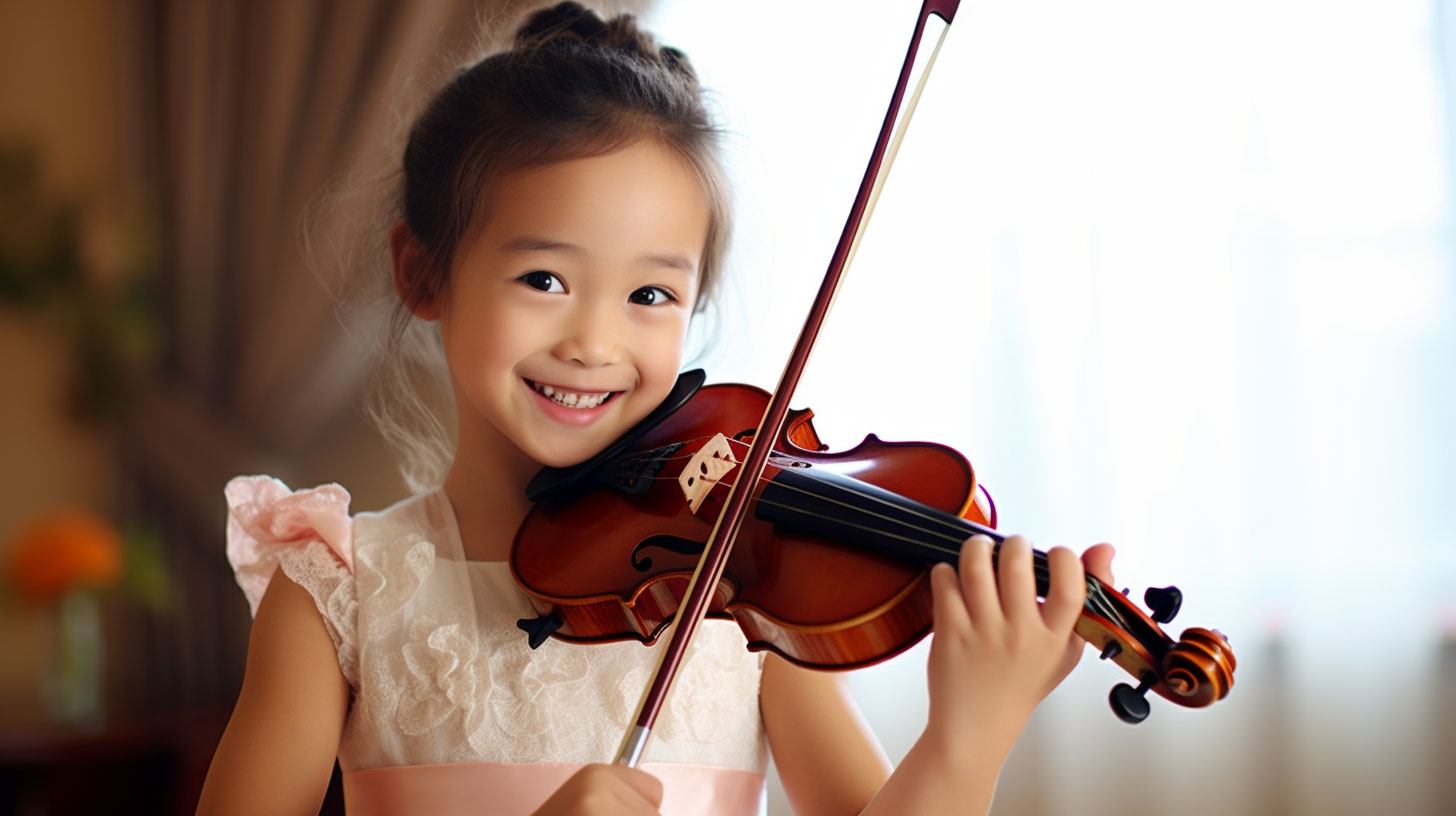
What Actually Makes Online Violin Lessons Work for Kids
Three things, in this order: a stable weekly slot, a parent who sits nearby at least for the first six months, and a teacher who is comfortable teaching through a screen. Miss any one of them and the whole thing wobbles.
The weekly slot matters more than the teacher's fame
A child who plays at 5:00 pm every Tuesday and Thursday improves faster than a child who plays "whenever mom remembers." Young players have terrible time management, so the schedule has to be external. We have seen kids go from scratch to a clean twinkle variation in four months with a plain weekly slot. We have also seen kids with a very famous teacher stall for a year because lessons moved around constantly.
The parent is the real practice coach
In an online setup, nobody is in the room to physically move the elbow or fix the bow hold. The teacher says it, the parent repeats it, the child does it. If you are not willing to sit through the lesson and take two lines of notes, online lessons will frustrate everyone. This is the single biggest predictor of success we have observed.
If you are still deciding who should teach your child, this guide on how to choose a violin teacher for your child walks through the questions to ask before you pay anyone.
Setup is boring and it decides everything
Camera at eye level, not looking down at the child from a shelf. A cheap clip-on microphone is worth more than a better webcam. Earphones for the child so the violin sound does not loop back into the call. A music stand beside the laptop. Total cost of this setup is often under $60 and it removes 80% of the technical complaints teachers hear.
Where Online Lessons Are Genuinely Weaker
Sound quality over a normal home internet connection is compressed, so fine intonation problems are harder to hear. This matters more as the child advances. For beginners, it barely matters. For a student preparing for ABRSM Grade 5 or above, it starts to matter a lot.
Physical corrections are the other weak spot. Bow hold, left-hand frame, shoulder rest position. A teacher can describe and demonstrate on camera, but hands-on adjustment is faster. Kids under six often cannot translate a verbal description into a physical movement, which is one reason we rarely recommend starting online before age six. There is a useful read on readiness here: at what age should a child begin violin.
And the screen itself. A 45-minute video call is a long time for a seven-year-old. Most online teachers we know keep young beginner lessons to 25-30 minutes for exactly this reason.
The Hybrid Setup That Most Families End Up Using
Here is the pattern we see working best, and it is not pure online. One online lesson per week with a specialist teacher, plus one short local check-in every three to four weeks. The local person does not need to be a great violinist. They need to be able to look at the bow hold, the violin angle, and the posture for fifteen minutes and say "this is drifting."
In many mid-size cities you can find a university violin student who will do a 20-minute posture check for $15 to $25. Some music shops offer the same thing. If no local option exists, ask your online teacher to schedule a dedicated camera-angle lesson once a month where the child stands sideways to the camera and holds long tones while the teacher watches the frame.
The hybrid route also solves the recital problem. Kids need an audience once in a while. A local teacher, a school event, or a small family performance covers that.
What a Parent Must Actually Do Every Week
Sit in on the lesson for at least the first six months. Write down the two or three specific corrections. Run 15-20 minutes of practice on four or five days, not one long session on Sunday. Keep the violin out of the case and on a stand so it is visible.
Record short videos of practice and send them to the teacher mid-week. Teachers who receive a 40-second clip on Thursday can fix a problem before it hardens. This single habit is what separates families who progress steadily from families who repeat the same correction for months. Our practice structure guide, how often should a child practice violin, breaks down realistic weekly minutes by age.
Also check the instrument itself. A violin that is too large forces bad posture, and a parent staring at it every day is the only person who will notice. Use a violin size guide for parents and re-measure every six months.
Signs It Is Working
The child can set up the bow hold without being reminded. Intonation on open strings and first finger stays stable across a week. The child stops asking how long is left in the lesson. Practice resistance drops, not to zero, but to something negotiable.
Signs it is not working: you are doing all the talking, the teacher repeats the same three corrections for two months, the child hides the violin, or every lesson starts with ten minutes of audio troubleshooting. Those are fixable problems, but they need to be named early.
Q: Is online violin lesson effective for kids who are complete beginners?
A: For ages six and up, usually yes. The first months are about posture, bow hold, and simple rhythm, and those can be taught over video with a parent present. Below age six, in-person is generally better because verbal instruction does not translate into physical movement yet.
Q: How much do online violin lessons cost for children?
A: Expect roughly $25 to $60 per 30-minute lesson with US-based teachers, and $20 to $45 with teachers based in China or Eastern Europe. Packages of four lessons often knock 10-15% off. Add around $40-$60 once for a clip-on mic and earphones.
Q: How long should an online lesson be for a young child?
A: 25 to 30 minutes for ages six to nine, 45 minutes from around age ten if the child can stay focused. Two shorter sessions per week beat one long one for most beginners.
Q: Do we need special equipment?
A: A laptop or tablet, stable internet, earphones, and a clip-on microphone. A second phone or tablet on a tripod at a side angle helps a lot for posture checks. Total setup is often under $60 beyond the device you already own.
Q: Can a child prepare for ABRSM exams online?
A: Through roughly Grade 4, yes, with occasional local check-ins. Above that, the intonation detail and tone work benefit from at least some in-person lessons, because compressed audio hides exactly the things examiners listen for.
Q: What if we cannot find a local teacher at all?
A: Then build the check-in into the online lesson. Once a month, have the child stand sideways to the camera and hold long tones while the teacher watches posture and bow angle for ten minutes. It is not the same as hands-on, but it catches most drift.
Related Reading
If you want to go deeper before committing, start with our overview of whether online violin learning is effective for kids. Families in North America may also want the logistics breakdown for online violin lessons for kids in the US and Canada, which covers time zones, payment, and scheduling.
