How to Choose a Violin Teacher for My Child
Shang Kun 2026-10-04 140
How to Choose a Violin Teacher for My Child: 5 Things You Can Actually Check
If you are wondering how to choose a violin teacher for my child, the honest answer is that you check five practical things before you pay for a full term. Not reputation. Not the fancy studio photos. Five things you can verify with your own eyes and ears. I have taught violin in Beijing for years, both online and in person, and I have watched families waste a year on a mismatched teacher. So here is the checklist I would use if I were the parent.
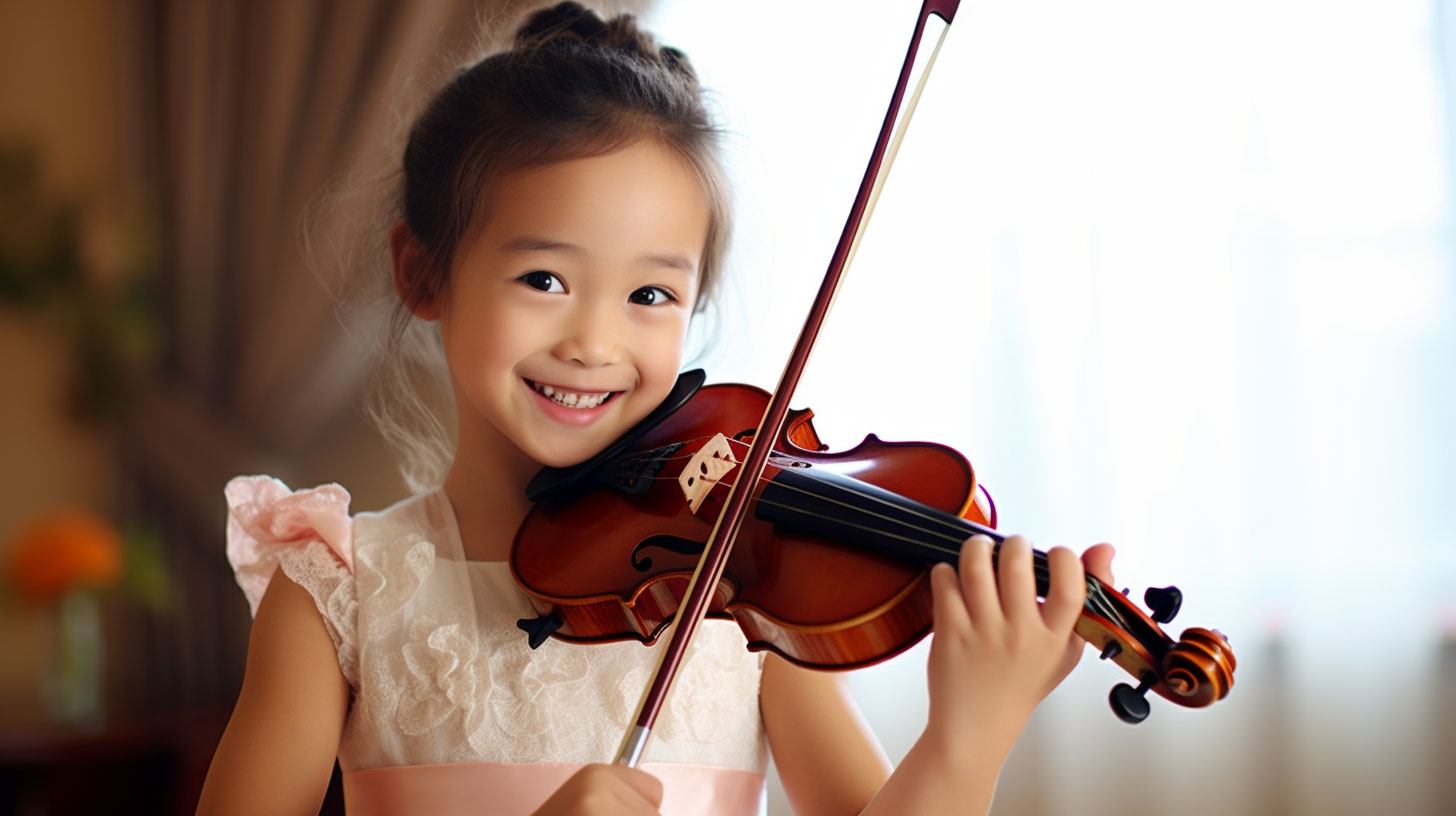
Criterion 1: Real Teaching Experience With Young Beginners
Ask how many years the teacher has worked with children under ten. Ask how many of those students stayed past the first year. A teacher who mainly coaches competition teens may be skilled but impatient with a seven-year-old who cannot hold the bow yet. That mismatch shows up fast.
In Beijing, a common range for a qualified teacher with five or more years of beginner experience is 300 to 600 RMB per 45-minute private lesson. Online lessons often run 200 to 400 RMB. Anything far below that usually means the teacher is a student themselves, which is fine for a trial but risky as a long-term plan. You want someone who has a repeatable method for the first three months, because that stage decides whether your child quits or continues.
If you want a sense of what those first months should look like, read this guide on beginner violin: your first three months before you interview anyone. It gives you a baseline to compare teachers against.
What a Good Answer Sounds Like
A strong teacher says something like: "For a six-year-old, I spend the first month on posture and open strings, then we add the first finger. I do not rush into songs." That is specific. A weak answer is vague: "We will see how it goes." Vague means no plan.
Criterion 2: Class Size and Attention Per Child
Group lessons can work for young beginners, but only if the group is small. Ask the maximum number of students in a session. Four to six is workable. Ten is babysitting with violins.
For private lessons, the ratio is obviously better, but do not assume one-on-one is always correct. Some children thrive with a friend in the room. The real question is how many corrections your child receives per session. In a big group, a quiet child can go twenty minutes without a single adjustment to their bow arm. That is lost time.
If you are weighing the two formats, this comparison of group vs private violin lessons breaks down the trade-offs honestly. In Beijing, many parents start with private lessons for the first six months, then add a group class for ensemble experience later.
A Red Flag to Watch
If the teacher cannot tell you the group size before you enroll, walk away. That is not a scheduling detail. It is a sign nobody is tracking your child's actual minutes of attention.
Criterion 3: How the Trial Lesson Is Designed
The trial lesson tells you more than any interview. A well-designed trial has three parts: a short warm-up where the teacher observes your child's natural rhythm, a simple skill your child can succeed at within ten minutes, and a clear explanation to you about what happens next.
Bad trials are performances. The teacher plays beautifully, your child smiles, you feel impressed, and you learn nothing about how they teach. You are not hiring a concert soloist. You are hiring someone who can explain a bow hold to a restless eight-year-old.
Watch where the teacher stands. Do they kneel to your child's eye level? Do they use concrete images like "rest the bow like a sleepy cat" or do they lecture with jargon? Concrete beats abstract every time for beginners.
The Two Questions to Ask After the Trial
First: what exactly will my child practice this week? Second: what will you be looking for in the next lesson? If the answers are clear, you have a teacher. If not, you have a nice person who plays violin.
Our Beijing studio runs trial lessons with a written follow-up note for parents within 24 hours. That is a standard worth asking for anywhere.
Criterion 4: Feedback Style During and After Lessons
Good feedback is specific, timely, and kind without being soft. "Your bow is sliding toward the fingerboard" is useful. "Try to play more beautifully" is not.
Ask the teacher how they correct a child who keeps making the same mistake. Listen for a strategy, not a punishment. Some teachers use counting games. Some use a mirror. Some record a short video for the parent. All of those are fine. What matters is that the child hears the correction and knows exactly what to change.
Also ask how often parents get feedback. Once a month is the minimum. Every lesson is better. In Beijing, many teachers now send a short voice message or a three-line text after each session. If your teacher does nothing between lessons, you are flying blind at home during practice.
Scenario One: The Silent Child
A seven-year-old girl in a Beijing group class never asked questions. The teacher assumed she understood. After six weeks, the mother discovered the girl was holding the bow at the wrong angle the entire time. She had been copying the child next to her, who was also wrong. The fix was simple: the teacher started giving each child a ten-second individual check at the start of every class. That change cost nothing and solved the problem. If your teacher has no system for individual checking, that is a real gap.
Criterion 5: Progress Reporting You Can See
Ask what a progress report looks like. It does not need to be a formal document. A simple notebook with weekly notes works. A shared phone note works. What you want is a record that shows what was covered, what improved, and what is still shaky.
Without this, you cannot tell if your child is moving forward or just repeating the same three pieces for a year. That happens more often than you think. I have met students who spent two years on the same book because nobody wrote anything down.
For a deeper look at how to structure home practice between lessons, this guide on a violin practice routine that works pairs well with any teacher's reporting system.
Scenario Two: The Overbooked Teacher
A parent in Chaoyang hired a popular teacher who charged 800 RMB per lesson. The teacher was excellent but had thirty students. Progress reports stopped after the third week. Lesson times shifted constantly. The child, who needed consistency, started dreading the violin. The family switched to a younger teacher with fewer students and a fixed weekly slot. The difference was not talent. It was attention. A busy teacher is not automatically a bad teacher, but if they cannot hold a regular slot and send regular notes, your child pays the price.
Red Flags That Should End the Conversation
No trial lesson. No clear pricing. No answer about group size. A teacher who promises your child will pass a certain exam grade within a fixed time. A teacher who never mentions home practice. A teacher who talks only to you and never to your child. A teacher who cannot describe what a beginner's first month looks like.
One more: a teacher who refuses to let you sit in on a lesson, even just the first one. In Beijing, most reputable teachers welcome a parent in the room for young beginners. If the door is closed for no reason, that is not a teaching philosophy. That is a warning sign.
If you want a checklist of questions to bring to the interview, this list of violin teacher interview questions to ask will save you time.
Beijing-Based Teaching Options and What They Cost
In Beijing, you have three common setups. Private lessons at a studio, usually 300 to 600 RMB per 45 minutes. Teacher-comes-to-your-home, often 400 to 800 RMB depending on distance and the teacher's experience. Online lessons with a Beijing-based teacher, typically 200 to 400 RMB, which works well for older children who can focus on a screen.
For very young beginners, in-person is usually better for the first six months because posture correction is hands-on. After that, a hybrid schedule can work. Our own studio, Shang Kun Violin (Beijing), offers both in-person lessons in Beijing and online lessons for families outside the city. The trial lesson includes a short written note so you know exactly what was observed.
Location matters less than consistency. A teacher thirty minutes away who shows up every week beats a famous teacher two hours away who reschedules half the time.
Q: How do I know if my child is ready for violin lessons?
A: Most children can start between five and seven if they can follow two-step instructions and sit still for fifteen minutes. If your child cannot yet do that, wait six months. There is no prize for starting early. Read more on when should a child start violin lessons.
Q: Should I sit in on my child's violin lesson?
A: For children under nine, yes, especially in the first month. You need to hear the teacher's instructions so you can help at home. After a few months, you can step out for part of the lesson if your child focuses better without you.
Q: How much should I expect to pay for a good violin teacher in Beijing?
A: Plan on 300 to 600 RMB per private lesson for an experienced teacher. Online lessons are often 200 to 400 RMB. Home visits cost more. Be suspicious of prices far below that range for a teacher with real beginner experience.
Q: What should the first month of violin lessons include?
A: Posture, bow hold, open strings, and simple rhythm games. Your child should not be playing songs with both hands until the basic bow arm is stable. If a teacher rushes into pieces in week one, ask why.
Q: How often should my child practice between lessons?
A: For beginners, ten to fifteen minutes a day, five days a week, beats one long session. The goal is habit, not endurance. A short daily routine with clear tasks from the teacher works best.
Q: What if my child wants to quit after three months?
A: Three months is often the first plateau. Before you quit, talk to the teacher about what changed. Sometimes the fix is a different piece, a shorter practice time, or a small break. If the teacher has no ideas, that itself is useful information.
Q: Can online violin lessons work for a young beginner?
A: They can, but they are harder for children under seven because the teacher cannot physically adjust the bow arm. If you choose online, plan to sit beside your child and act as the teacher's hands. For older children who can follow verbal cues, online works well.
