When Should a Child Start Violin Lessons? Readiness Signs
Shang Kun 2026-10-08 112
When Should a Child Start Violin Lessons? Readiness Signs
Parents searching for when should a child start violin lessons usually want a single number, but readiness is not one birthday. In our Beijing studio and online classes, we see children who thrive at five and children who do better at eight. Age matters, but attention span, finger strength, and pitch response matter more. A useful rule: most children can begin structured lessons somewhere between four and eight years old, and the right moment depends on the child rather than the calendar.
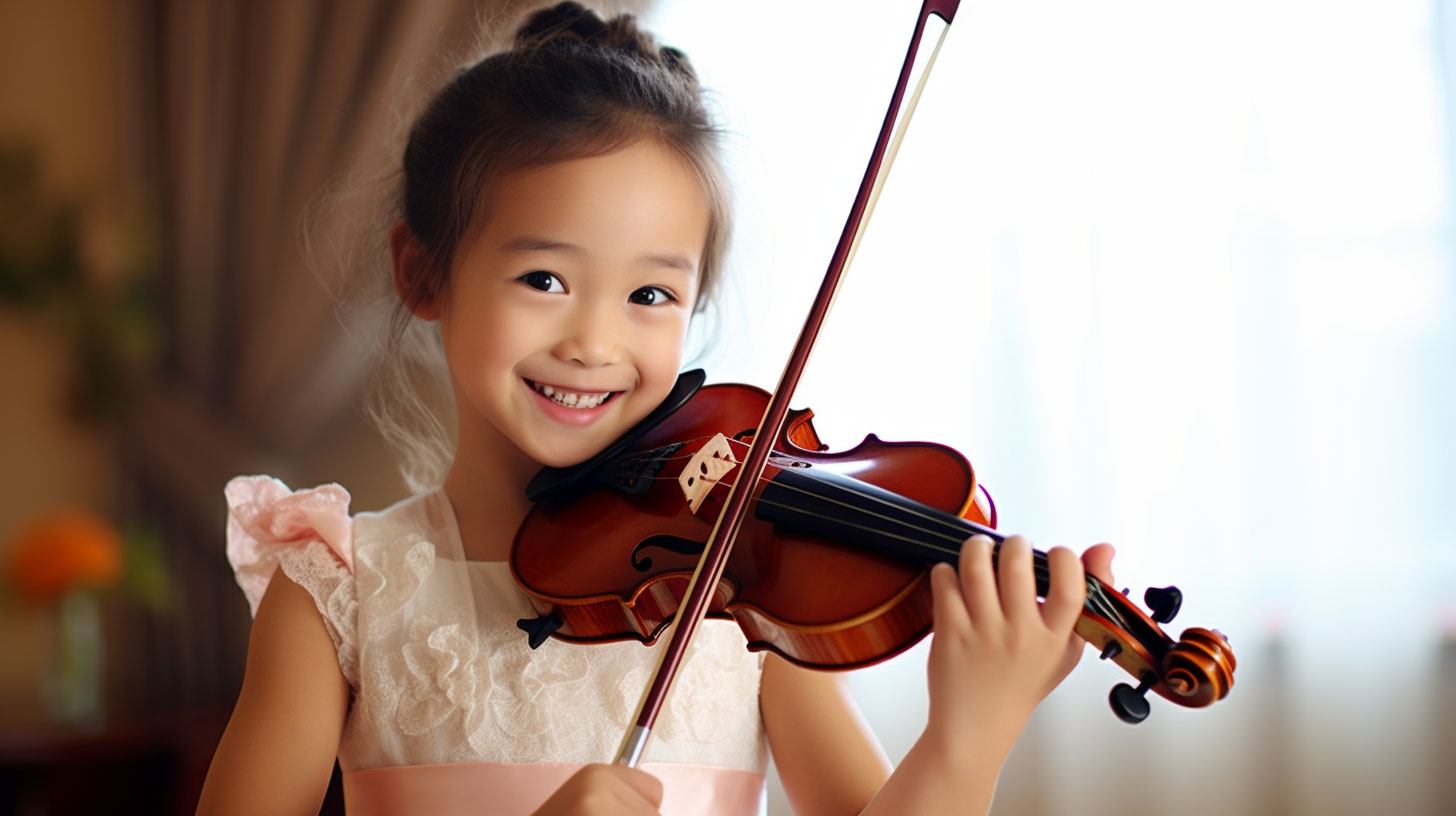
Age Band 1: Starting at Four or Five
At four or five, a child's hands are still soft and the fingers are short. A full-size violin is out of the question; most start on a 1/16 or 1/8 instrument. The first six months are less about playing songs and more about holding the violin, bowing open strings, and learning to listen.
What a Four or Five Year Old Can Realistically Do in Six Months
Expect them to stand correctly for short stretches, keep a relaxed bow hold for a few seconds, and play open-string rhythms with a steady pulse. Some can play a simple folk tune by month six. Most cannot yet read music fluently or play in tune across all four fingers. That is normal.
Attention Span at This Age
A four-year-old often manages five to ten minutes of focused work. We break lessons into two or three short blocks with movement in between. Parents who expect a thirty-minute sit-still session usually end up frustrated, and so does the child.
Age Band 2: Starting at Six or Seven
Six and seven is the sweet spot for many families. Children can follow two-step instructions, sit through a twenty-minute lesson, and understand the idea of practicing between sessions. They also have enough finger strength to press the strings without collapsing the hand.
First Six Months: What Progress Looks Like
By month six, a six-year-old who practices three or four times a week can usually play simple tunes in first position, read basic note values, and keep a steady bow. Intonation is still rough. That is fine. The goal at this stage is habit and posture, not polish.
Why Six or Seven Often Works Better Than Four
The child can take more ownership. They remember what the teacher asked, and they can repeat a short exercise at home without a parent guiding every bow stroke. Practice becomes a shared routine instead of a battle. If you are unsure how often to practice, our guide on how often a child should practice violin walks through realistic weekly schedules.
Age Band 3: Starting at Eight or Older
Children who begin at eight, nine, or ten often move faster in the first year. Their reading skills are stronger, their hands are bigger, and they can concentrate for a full lesson. Many catch up to younger starters within two or three years if they practice consistently.
First Six Months: Faster Foundations
An eight-year-old can usually learn note reading, basic scales, and several short pieces in six months. They may also start two-octave scales sooner. The trade-off is that some feel self-conscious about starting later than friends, so the teacher's tone matters a lot.
Choosing a Teacher for an Older Beginner
Older beginners need a teacher who can move at a comfortable pace without making them feel behind. Our article on how to choose a violin teacher for your child covers the questions worth asking before you commit.
Readiness Signals Worth Watching
Age is only one filter. These signs tell you more about whether a child is ready for weekly lessons.
Attention Span
Can your child focus on one activity for ten to fifteen minutes without a reminder? If yes, they can likely handle a short lesson. If not, wait a few months or try a shorter trial format.
Finger Strength and Hand Shape
Can they press a thumb and index finger together firmly? Can they hold a pencil without a death grip? Violin playing uses small muscles that develop at different rates. A teacher can adapt, but extreme weakness usually means waiting.
Pitch Response and Listening
Does your child notice when a song sounds off? Do they hum or sing along? A basic sense of pitch helps, but it is not a hard requirement. Many children develop it through training. What matters more is whether they enjoy listening.
Following Simple Instructions
Can they copy a short rhythm or mirror a bow direction? Lesson time is mostly imitation at the start. A child who can watch and copy will learn faster than one who cannot yet follow a two-step request.
What Size Violin Should a Child Start On
Size is not about age. It is about arm length and hand span. A four-year-old may need a 1/16, while a tall six-year-old may fit a 1/4. A teacher or violin shop should measure from the neck to the palm and check that the child can hold the instrument with a slightly bent left elbow. Starting on an instrument that is too big causes tension and discourages practice. In Beijing, a properly sized student violin with bow and case typically costs between 800 and 2,500 RMB, and rentals run about 100 to 300 RMB per month.
How to Trial a Few Weeks Without Committing
You do not need to sign a year-long contract to find out if violin fits your child. A short trial is usually enough to see how they respond.
A Simple Four-Week Trial Plan
Week one: one lesson, just holding the violin and bow. Week two: open strings and a simple rhythm. Week three: a short tune using one or two fingers. Week four: review and decide. If your child asks to play between lessons, that is a good sign. If every lesson ends in tears, waiting six months is reasonable.
What to Ask the Teacher During the Trial
Ask what they expect the child to do at home, how long practice should be, and what progress looks like after a month. A clear answer tells you the teacher has a plan. Our guide on whether online violin lessons work for kids explains how to check setup if you are considering remote lessons.
Online Lessons and the Readiness Question
Online lessons can work for children as young as six if the setup is right: a stable connection, a tablet or laptop at eye level, and a parent nearby for the first few sessions. Younger children often need more hands-on help, so some families start in person and switch online later. If you are exploring this route, see our notes on online 1 on 1 violin lesson setup before the first class. Shang Kun Violin is based in Beijing and teaches both in-person and online, with teachers who work regularly with overseas Chinese families.
Q: What is the most common age to start violin lessons?
A: Many children start between six and eight. Four and five is possible with a patient teacher and short lessons, but it is not the only good age.
Q: Can a four-year-old really learn violin?
A: Yes, but the first months look different. Expect open strings, rhythm games, and bow holds rather than full songs.
Q: Is eight too late to start violin?
A: No. Older beginners often progress faster because they read better and can focus longer. Consistent practice matters more than starting age.
Q: How do I know my child is ready for lessons?
A: Look for ten minutes of focus, willingness to copy a teacher, and some interest in music. Finger strength and pitch can be developed over time.
Q: What size violin should a beginner child use?
A: Size depends on arm length, not age. A teacher or shop should measure your child. Beginners commonly start on 1/16, 1/8, 1/4, or 1/2.
Q: How long should a trial period be?
A: Three to four weeks is enough to see whether your child enjoys the routine. You do not need to commit to a full year before trying.
If you want a clearer answer for your own child, the practical step is a short trial with a teacher who works well with young beginners. That tells you more than any age chart.
