How Often Should Children Practice Violin
Shang Kun 2026-09-30 245
Children practice violin at different ages and stages, but a workable answer is this: most kids need 15–30 minutes a day at the beginner stage, 30–45 minutes daily once they can play simple pieces in first position, and 45–60 minutes a day when they are preparing for exams or recitals. The exact number matters less than whether the practice happens every day. A child who plays 20 minutes six days a week will improve faster than one who plays two hours on Sunday and nothing else.
In Beijing, where school schedules are tight and homework is heavy, daily practice often gets squeezed. Families who come to Shang Kun Violin (Beijing) usually ask the same question in the first lesson: how often should my child practice? The honest answer depends on age, level, and what the parent can realistically support at home.
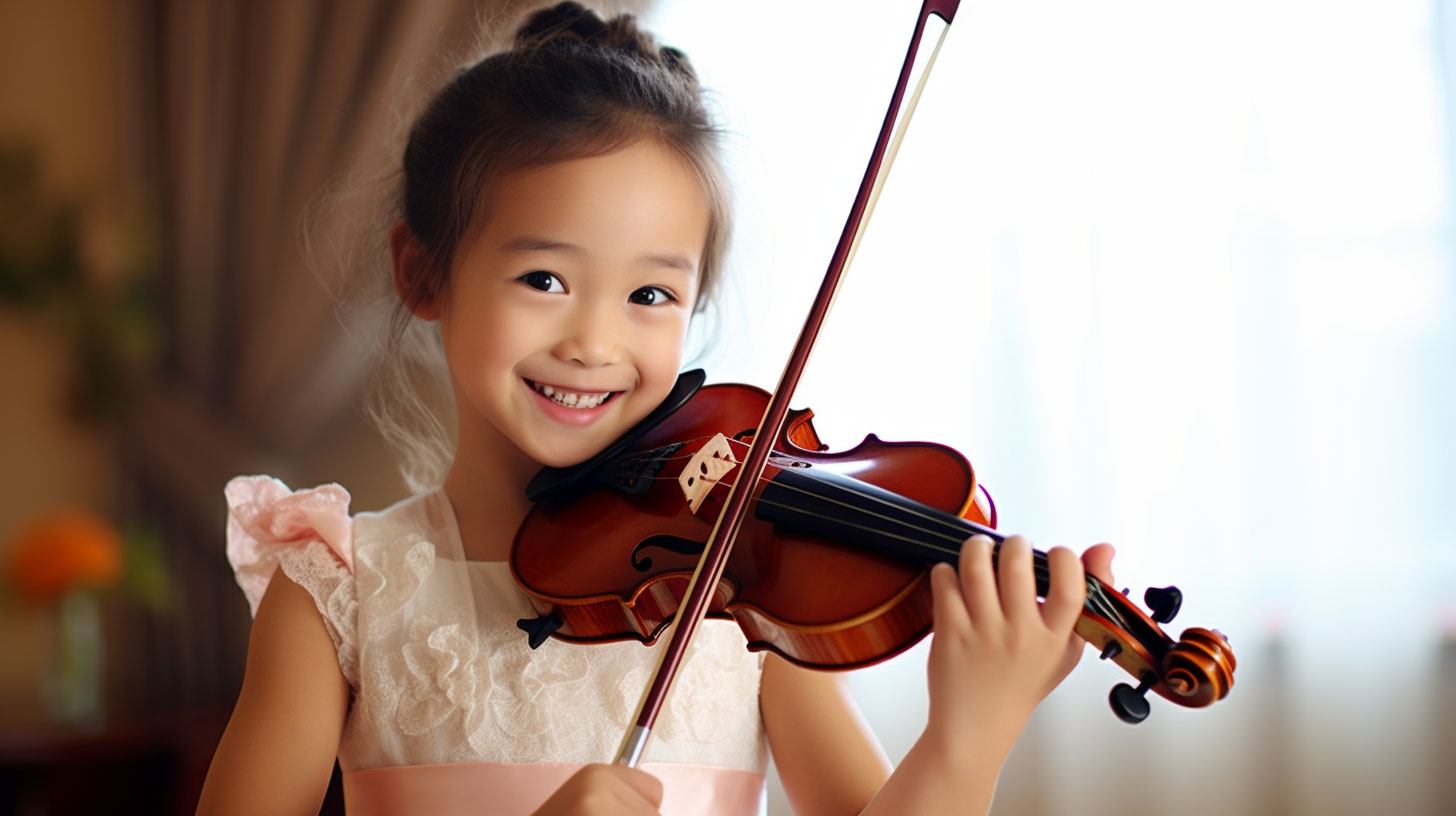
What does daily practice actually mean for a child?
Daily practice does not mean a perfect, uninterrupted session. It means the child picks up the violin and plays something. Some days that is a full 30-minute routine. Some days it is 10 minutes of open strings and a scale before dinner. Both count. The habit of touching the instrument every day is what builds muscle memory and ear training.
Parents often think a missed day is a failure. It is not. Two missed days in a row, however, usually mean the child comes back to the next lesson with stiff hands and forgotten finger patterns. That is when frustration sets in.
How long should a 5-year-old practice?
For a 5-year-old, 10–15 minutes a day is enough. At that age, the goal is not beautiful tone. The goal is holding the violin without tension, bowing on open strings, and learning to listen. If your child wants to keep going after 15 minutes, let them. If they are done, stop. A short positive session beats a long tearful one.
How long should a 8-year-old practice?
Most 8-year-olds who have been playing for a year or two can handle 20–30 minutes a day. Split it into two short sessions if focus is a problem: 15 minutes before school, 15 minutes after dinner. This age is when reading music and playing in first position become more automatic, so repetition matters more than length.
How long should a 12-year-old practice?
By age 12, if the child is serious about violin, 45–60 minutes a day is reasonable. That usually includes scales, a etude or study, and one or two pieces. If they are preparing for an ABRSM exam or a school recital, 60–90 minutes a day for the final three weeks is not unusual. But that is a short-term push, not a year-round schedule.
Why frequency beats duration
A child who practices 20 minutes every day gets 140 minutes a week. A child who practices 60 minutes twice a week gets 120 minutes. The daily child wins, even with less total time. The reason is simple: violin playing is a physical skill. Your fingers and bow arm need constant reminders. When you skip two days, your body forgets small adjustments that took weeks to build.
Teachers at Shang Kun Violin see this every term. Students who practice a little every day come to lessons ready to move forward. Students who cram before the lesson spend the first 20 minutes fixing what was lost.
What about practice on lesson day?
Lesson day still counts. Some kids practice before the lesson to warm up. Others practice after the lesson to review what the teacher just corrected. Either works. What does not work is treating lesson day as a day off. A 30-minute lesson once a week cannot replace daily contact with the instrument.
If your child has a lesson after school, try a 10-minute review right after the lesson. The corrections are fresh. Even running through one tricky measure three times helps lock it in.
How to build a practice routine that actually sticks
The hardest part of practice is not the playing. It is the starting. Here are a few things that work for families in Beijing.
Pick a fixed time
Right after breakfast, right after school, or right before bed. A fixed time removes the daily negotiation. If your child knows that 7:00 PM is violin time, they stop arguing about whether to practice and start arguing about what to play.
Keep the violin out of the case
If the violin is in a closed case under the bed, practice feels like a project. If it is on a stand in the living room, picking it up takes two seconds. This one change helps more than any practice chart.
Use a simple timer
Set a timer for the agreed minutes. When it goes off, practice is done. This prevents the session from dragging and gives the child a clear end point. It also stops parents from saying “five more minutes” every night.
Record one minute a week
Once a week, record the child playing a short piece. Save it. After a month, play the first recording and the latest one side by side. Kids hear the improvement instantly. That is more motivating than any sticker chart.
When should you increase practice time?
Increase when the child is consistently finishing the current routine without being reminded. If they practice 20 minutes a day for two weeks without a fight, add five minutes. Do not jump from 20 to 45 minutes. Small increases stick.
Also increase when the teacher gives more material than the current practice time can cover. If your child has three pieces, a scale, and a study to prepare, 15 minutes will not cut it. That is a sign to add time, not to skip assignments.
What if my child refuses to practice?
Refusal is usually about something specific. Maybe the piece is too hard. Maybe they are tired after school. Maybe the violin is uncomfortable. Before assuming laziness, check the basics: Is the shoulder rest in the right place? Is the room too noisy? Is the practice time right after a long day?
For younger kids, a 10-minute “minimum” works better than a 30-minute demand. Once they start, they often keep going. For older kids, let them choose the order of what they practice. Control over the small things reduces resistance to the big thing.
How parents can help without hovering
You do not need to know how to play violin to help. You need to help with the routine. Set the time, keep the instrument accessible, and stay nearby without commenting on every note. If you hear something that sounds wrong, ask the teacher instead of correcting your child yourself.
Parents who sit in on lessons tend to help more effectively at home. You hear the teacher’s exact words and can repeat them during the week. If you cannot attend, ask the teacher for two or three specific things to listen for.
Does online practice change the answer?
Online lessons do not change how often a child should practice. They change how the practice is supervised. A child taking online violin lessons still needs daily practice. In some ways, online students need more structure, because the teacher is not physically there to adjust the bow arm.
Shang Kun Violin offers both online and Beijing in-person lessons. Families who travel or live far from a teacher often choose online. The practice frequency stays the same: daily, short, and consistent.
If you want a realistic practice schedule for your child, violin practice time: how much is enough breaks down the minutes by age and level. For families building a weekly routine, a weekly violin practice routine that works gives a day-by-day plan. And if you are still looking for a teacher in Beijing, how to choose a violin teacher in Beijing covers what to ask before you commit. Parents who want to support practice at home without becoming the teacher can read violin practice time: how parents can help at home.
Q: How many days a week should a child practice violin?
A: Six days a week is a good target. One rest day prevents burnout and gives the hands a break. If your child is very young, five days a week is fine as long as the sessions are short and positive.
Q: Is 15 minutes a day enough for a beginner?
A: For a 5- or 6-year-old beginner, 15 minutes a day is enough. For an 8-year-old beginner, 20–25 minutes is better. The key is not the number but whether the child plays every day.
Q: Should my child practice more before a violin exam?
A: Yes. In the final three to four weeks before an ABRSM or school exam, increasing to 45–60 minutes a day is common. But do not wait until the last week. Spread the extra time over the full month.
Q: What if my child misses a day of practice?
A: One missed day is not a problem. Just resume the next day. Two or three missed days in a row usually mean the next lesson will be spent reviewing old material instead of learning new things.
Q: Can a child practice too much violin?
A: Yes. More than 60 minutes a day for a young child can lead to tension, poor posture, and loss of interest. Watch for signs of fatigue: sloppy bowing, complaints about shoulder pain, or dread before practice. If those appear, cut back.
Q: Does practice length matter more than practice quality?
A: Quality matters more. A focused 20 minutes with a clear goal beats a distracted 45 minutes. For children, short focused sessions work best. Stop while they still feel good about it.
